Belize is a year-round destination — but the experience changes dramatically depending on when you arrive. Here's what to expect, season by season, from a private rainforest estate near Placencia.
Dry Season: February to May
The dry season is Belize's most popular window and for good reason. Skies stay clear for days at a stretch, humidity drops noticeably, and the jungle feels just slightly more open — trails are drier, views longer. For bird watchers, this is prime time: resident species are joined by migrants, and the dawn chorus reaches its peak volume around March.
On the fruit side, mamey sapote and wax apple come into season from March onwards. Mornings on the estate begin with a basket of whatever ripened overnight — some guests try their first mamey at breakfast and spend the rest of the trip talking about it.
"We arrived in April not knowing what to expect and left having eaten fruits we couldn't name — and couldn't stop thinking about."
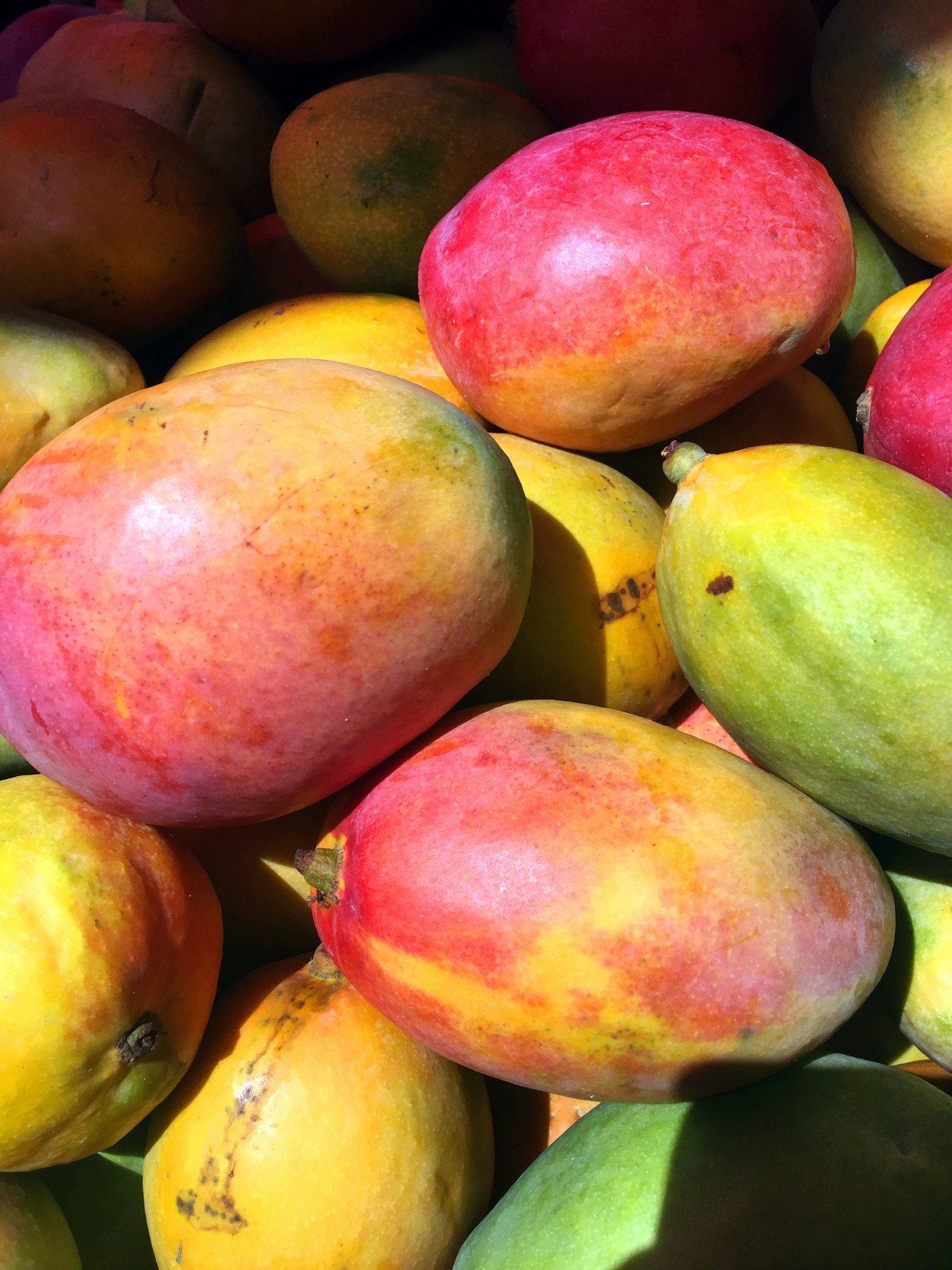
Fresh rambutan from the estate — a typical April harvest morning.
Rainy Season: June to November
The rainy season has an undeserved reputation. Yes, it rains — usually in short, intense bursts in the afternoon — but the mornings are often stunning, the estate turns a richer shade of green, and the crowds thin considerably. Rates drop, and the estate feels even more private than usual.
This is also peak fruit season. Rambutan, mangosteen, longan, jaboticaba, and pitomba all ripen through the summer months. If you've come specifically for the fruit collection, June through August is arguably the most rewarding window of the year.
What about hurricanes?
Hurricane season officially runs June through November. Direct hits on southern Belize are historically rare, and the estate sits well inland. That said, September and October do see more overcast, wetter weather — ideal for those who find the tropical heat intense and enjoy dramatic skies.
The Sweet Spot: December to January
December and January offer a comfortable middle ground: slightly drier than the rainy season, cooler than the dry season peak, and often with excellent visibility for birding. Several winter cultivars come into season — black sapote, caimito, atemoya, and sapodilla among them.
If you're travelling with family, the Christmas holidays coincide with some of the most dramatic fruit and the most comfortable weather. The estate has been known to host a black sapote tasting at Christmas that guests remember long after they've returned home.

Morning light across the 107-acre estate — December, dry season.
Season-by-Season Summary
| Period | Weather | Fruit in Season | Birding |
|---|---|---|---|
| Feb – May | Dry, clear, warm | Mamey sapote, wax apple, passion fruit | Excellent — migrants present |
| Jun – Aug | Warm, afternoon rain | Rambutan, mangosteen, longan, jaboticaba | Very good — lush canopy |
| Sep – Nov | Wetter, dramatic | Dragon fruit, soursop, bilimbi | Good — resident species active |
| Dec – Jan | Comfortable, mild | Black sapote, caimito, atemoya, sapodilla | Excellent — dry and clear mornings |
Planning tip
Fruit harvests depend on rainfall and temperature — precise timing shifts each year. We recommend emailing us before booking so we can tell you exactly what's expected to be in season during your visit. The collection is large enough that something is always ripe.
Year-Round Highlights
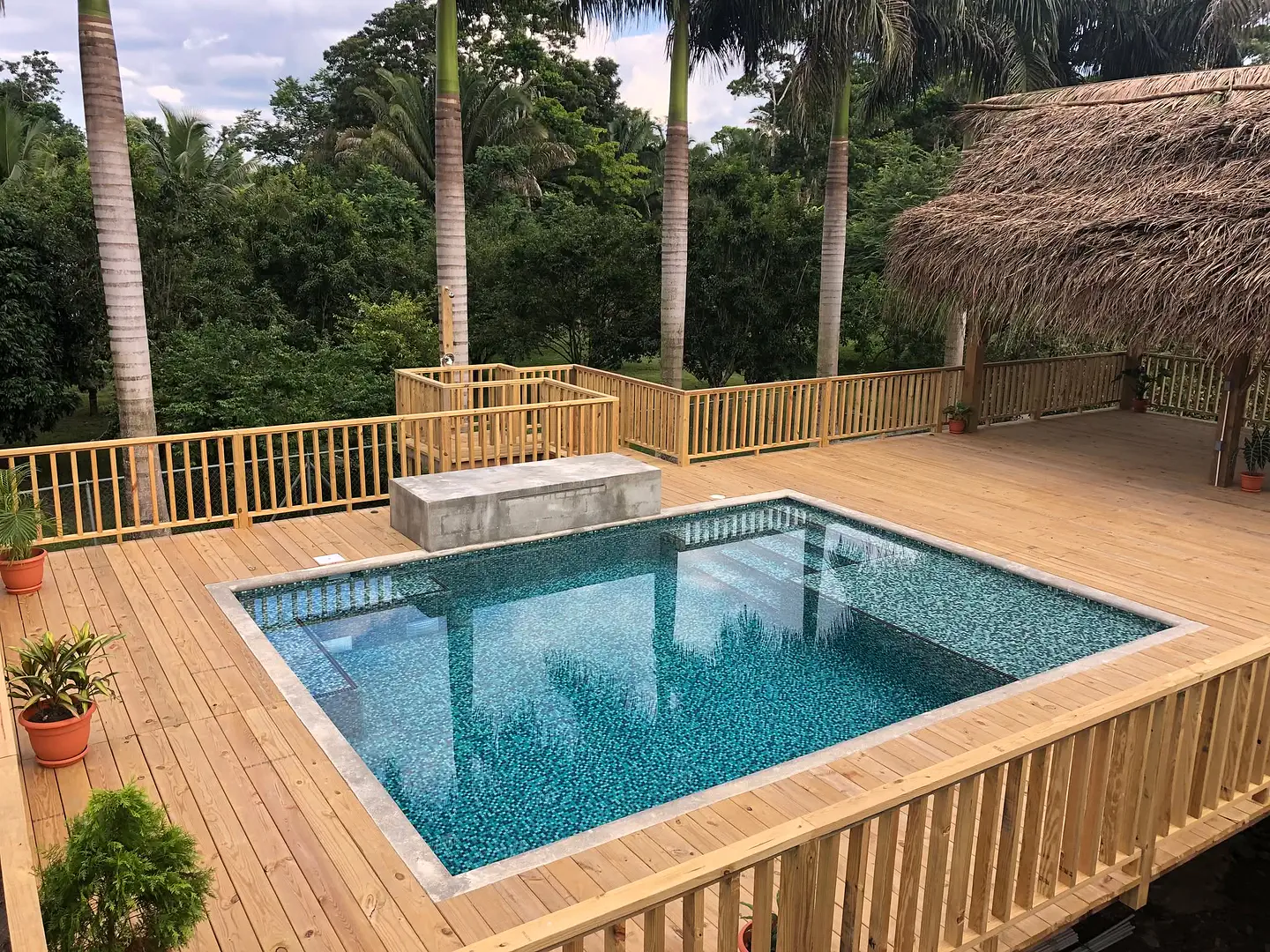
Some things don't change with the calendar. The estate's 250+ bird species are present year-round — the spectacled owl, keel-billed toucan, and black-headed trogon make appearances regardless of month. The pool and hot tub are always in use. Breakfast is always made from fruit picked that morning. And the quiet — the profound, restorative quiet of 107 private acres — is there every day of the year.